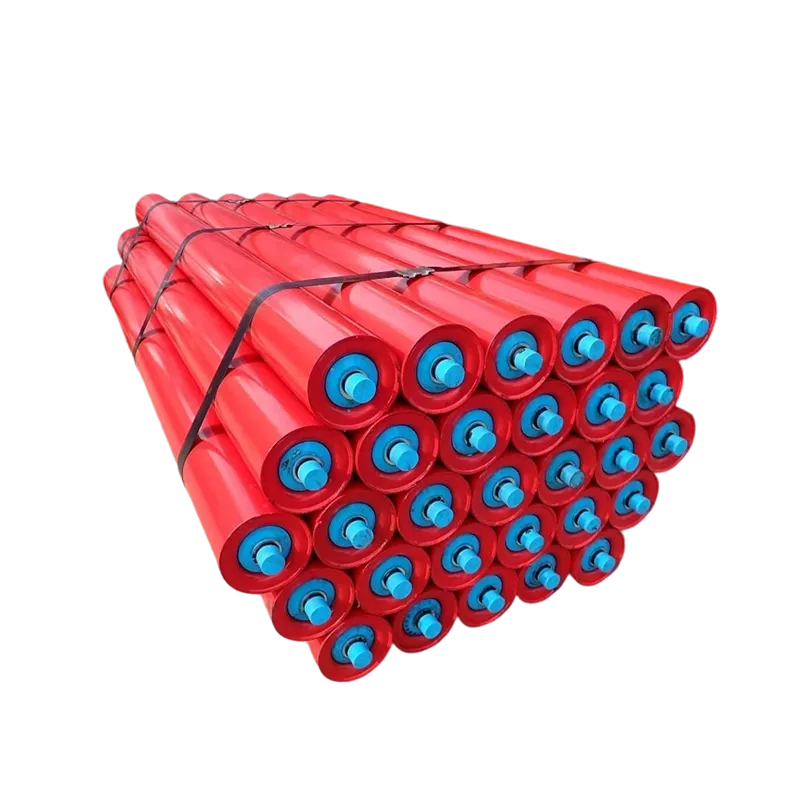
Steel Parallel Idler Roller Metal Flat Conveyor Upper Roller Idler
Product Information
Material:
Steel, Metal
Idler roller type:
Return Flat Carrier
Usage:
Belt Conveyor System
Surface:
Red, blue and yellow via electric spray painting
Application:
Used for conveyor mining machinery equipment


Parallel idlers are crucial components of belt conveyors, coming in various types and in large quantities. They account for 35% of the total cost of a belt conveyor and bear over 70% of the resistance, making their quality paramount. The idlers' function is to support the conveyor belt and the weight of the material. Idler operation must be flexible and reliable. Reducing friction between the conveyor belt and the idlers plays a key role in extending the lifespan of the conveyor belt, which accounts for over 25% of the conveyor's total cost. Although idlers are a relatively small component in a belt conveyor and their structure is not complex, manufacturing high-quality idlers is no easy feat.
Applications of Parallel Idler Rollers:
1) Upper Parallel Idler Roller: Applicable to port terminals, mining conveyors, and mechanical equipment.
2) Upper Parallel Self-Aligning Idler Roller: Applicable to prevent belt misalignment.
Features of Parallel Idler Rollers:
Parallel idler rollers possess extremely high wear resistance and a very low coefficient of friction, making them less prone to belt wear; excellent self-lubricating properties, requiring no oiling, and less prone to jamming under harsh conditions; anti-static, anti-flame, aging-resistant, and resistant to corrosion from acids, alkalis, and organic solvents; able to withstand repeated impacts and vibrations; operating temperature range: -40℃ to 90℃; excellent mechanical properties, lightweight, easy installation, maintenance-free; smooth operation, and long service life.
Recommended products
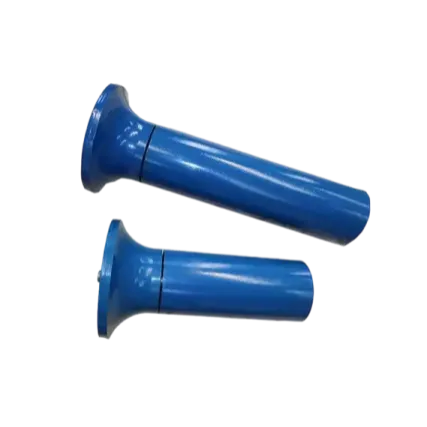
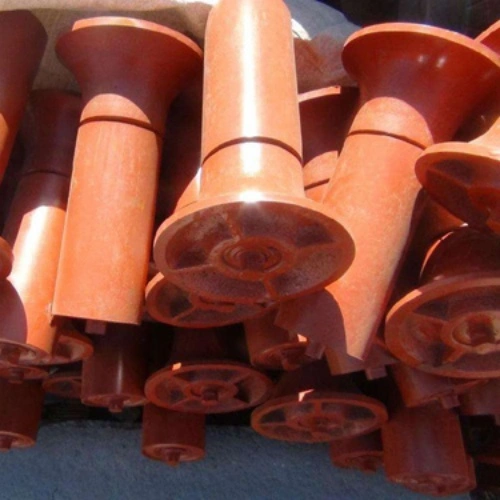
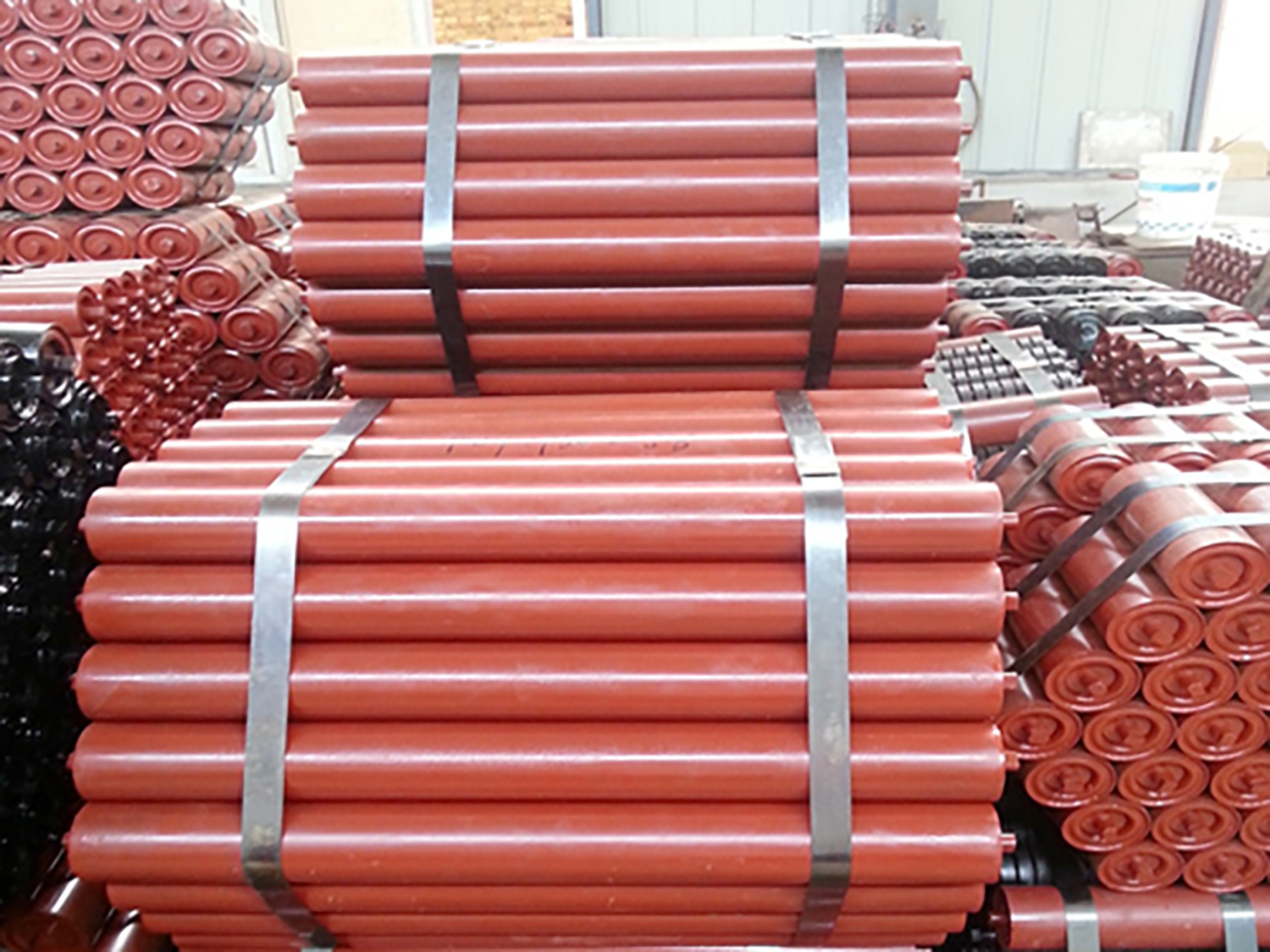
Self-Aligning Idler Belt Conveyor Roller Idlers
Friction self-aligning idler assemblies are used to adjust conveyor belt deviation, prevent snaking, and ensure stable conveyor belt operation.
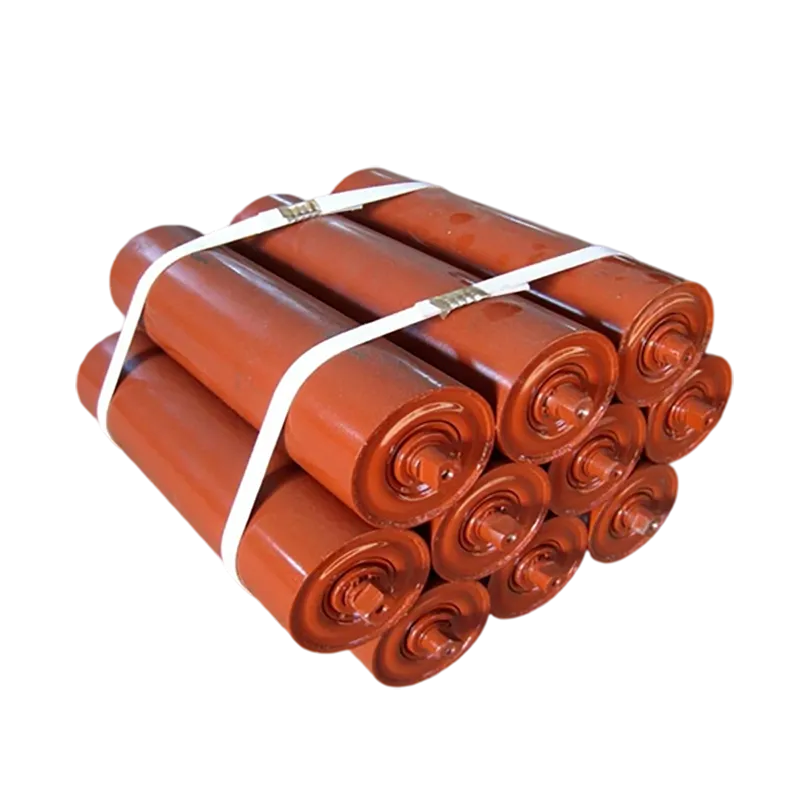
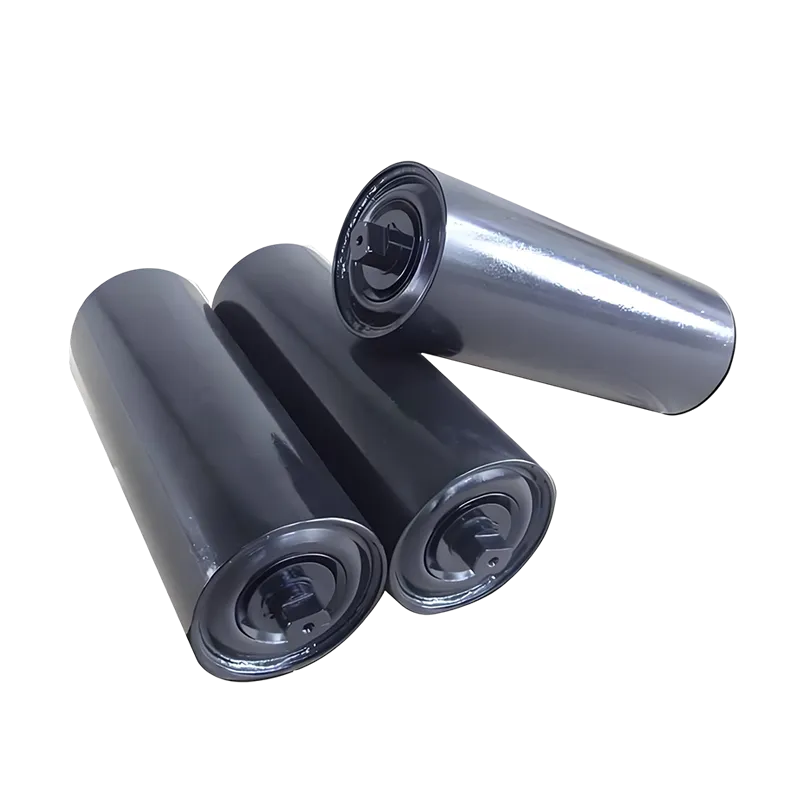
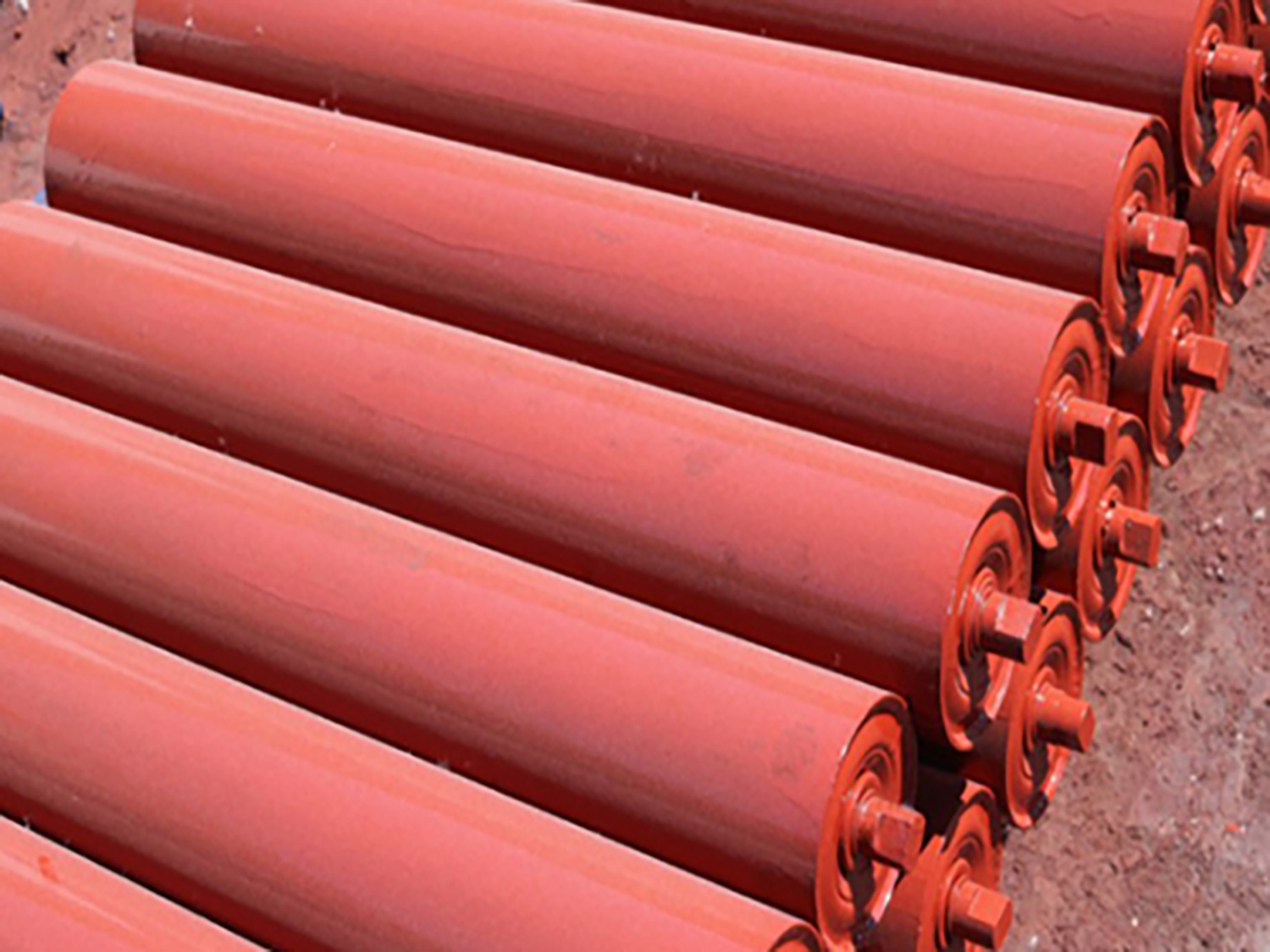
Return Roller Idler Steel Metal Guide Idler Roller for Belt Conveyor
Product advantages: Low radial runout, with the load-bearing idler roller guaranteed to be below 0.35mm; low rotational resistance, with a resistance coefficient below 0.010; excellent dustproof and waterproof performance, with zero water ingress after a 72-hour waterproof test; permanent lubrication and long service life (no less than 30,000 hours).


